news
Shanghai's Migration Boom Faces Pressure From Policy Shifts
A decade of policy shifts, economic booms, and global turbulence reshaped who comes to Shanghai, why they stay, and what they find when they get here.
How we reported this
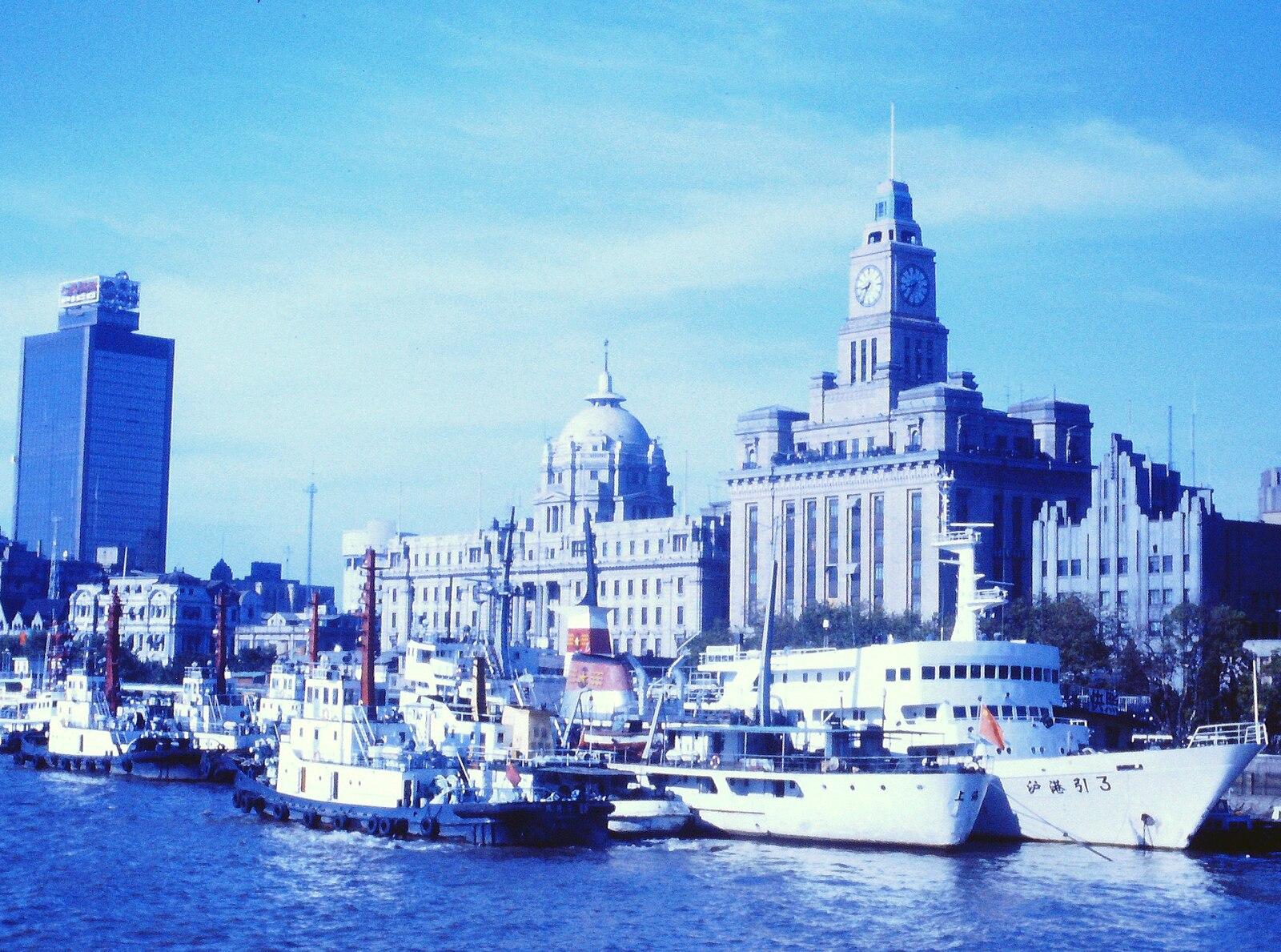
Shanghai's foreign resident population peaked at roughly 163,000 registered non-Chinese nationals in 2020, according to municipal bureau figures, making it the largest concentration of expatriate workers anywhere on the Chinese mainland. That number has since contracted. The question occupying community organisers, municipal planners, and the migrants themselves is how a city that once aggressively courted global talent ended up where it is today, and what comes next.
The timing matters. Iran's political future is in flux following the death of its Supreme Leader, Russia is experiencing domestic fuel shortages, and Europe is managing the geopolitical and humanitarian fallout of prolonged conflict on its eastern edge. Globally, migration flows are under stress. Shanghai is not insulated from that pressure. The city's post-2022 lockdown recovery was uneven, and the foreign community felt that unevenness sharply: lease renewals on Xintiandi serviced apartments ran 18 to 22 percent higher in 2024 than in 2021, while school enrolment numbers at several international campuses in Pudong dropped for the second consecutive academic year.
The Arc From Open Door to Friction
The story really starts in the early 2000s. China's WTO accession in December 2001 triggered a prolonged inflow of multinationals into Pudong's Lujiazui financial district and the industrial zones clustered around Hongqiao. By 2010, communities had organised themselves into distinct geographic pockets: French professionals concentrated around Gubei in Changning District, the Japanese community anchored along Hongmei Road, Korean families clustered near Yanlord Garden in Pudong. The American Chamber of Commerce Shanghai, operating out of offices on Nanjing West Road, grew to one of AmCham's largest chapters globally during this period.
The regulatory environment was comparatively permissive. Work permit categories were broad, and Pudong's free-trade zone, formally launched in September 2013, added another layer of preferential access. The Shanghai Municipal Commission of Commerce actively promoted the city to foreign firms with a pitch built around legal certainty and cosmopolitan infrastructure.
Then came a sequence of tightening moves. Beijing introduced a points-based work permit system in 2017, sorting foreign nationals into three tiers that prioritised high-skill roles and effectively squeezed out the mid-level managers and English-language teachers who had formed a significant portion of the expatriate base. The pandemic years compounded this. The 2022 lockdown, which confined millions of Shanghai residents to their homes for roughly two months between April and June, prompted several thousand foreign nationals to leave permanently. Many cited not just the lockdown itself but the difficulty of returning once departed, international flight routes into Pudong International Airport were severely curtailed well into 2023.
What the Community Looks Like Now
The makeup of Shanghai's international population has shifted in character, not just in size. The traditional Western corporate expatriate, arriving on a full package with housing allowance, children in international school, home leave flights included, is rarer than a decade ago. More common now is the locally-hired foreign professional, often on Chinese-market compensation, sharing apartments in Jing'an or along Wulumuqi Road rather than in compounds.
Simultaneously, Shanghai has seen growth in migrant communities from elsewhere in Asia and from Africa. The wholesale markets near Xiaobaishu in Putuo District have long hosted traders from West and Central Africa, and that community has proved more durable through the policy volatility than many of the corporate expats. Community support organisations such as the Shanghai Multicultural Integration Centre, based in Jing'an, have expanded their Mandarin-language assistance programs since 2023 to accommodate this shift.
The Ethnic Unity Law that Beijing began defending more publicly this week adds another layer of complexity to the picture. For Shanghai's municipal authorities, who manage a city-level brand built substantially on international openness, the optics of how the central government discusses minority and migrant identity matter commercially.
Residents navigating the system right now have practical steps available to them. The Pudong New Area Administration Service Centre on Yincheng Middle Road processes most long-term residence permit renewals and has extended its weekday processing window to 6 p.m. since January 2026. The Shanghai Entry-Exit Administration Bureau on Minsheng Road handles emergency document queries. Community legal clinics run by the Shanghai Lawyers Association hold drop-in sessions on the first Saturday of each month in Xuhui District, the next one falls on July 4.